Introduction
In the world of health care, efficient nourishment is pivotal for client healing. One considerable method employed to make sure appropriate nutritional consumption is enteral feeding. This short article digs deep into "The Duty of Enteral Feeding in Person Healing: A Course Summary," exploring its relevance, methodologies, and the training given to medical care experts associated with this process.
Enteral feeding refers to the delivery of nutrients straight right into the intestinal system through a tube. It is generally made use of when individuals can not take in food orally because of various clinical problems, such as neurological disorders, cancers, or severe injuries. Understanding enteral feeding's function in client recovery is vital for doctor, consisting of nurses and support workers who engage with clients needing this form of nutrition.
This comprehensive overview will certainly also review pertinent training courses available for professionals looking for to enhance their abilities in enteral feeding practices. With key words like "ndis peg feeding training," "enteral feeding support course," and "peg training for nurses" peppered throughout, we aim to offer a complete understanding of the area while ensuring ease of access for all readers.
The Role of Enteral Feeding in Client Recuperation: A Training Course Overview
What is Enteral Feeding?
Enteral feeding involves delivering nutrients directly into the digestion system via a tube when dental intake wants or difficult. This technique can be life-saving for clients dealing with conditions that harm ingesting or food digestion.
- Types of Enteral Feeding: Nasogastric (NG) Tube: Inserted through the nose into the stomach. Orogastric Tube: Inserted with the mouth into the stomach. Percutaneous Endoscopic Gastrostomy (PEG) Tube: Surgically put within the stomach through the abdominal wall.
The selection of tube frequently relies on the duration of feeding needed and individual person needs.
Why Is Enteral Nourishment Important?
Nutritional assistance via enteral feeding plays a vital role in:
- Maintaining Nutritional Status: Stops poor nutrition and helps maintain muscle mass mass. Improving Healing Times: Ample nutrition can quicken recuperation from surgeries and illnesses. Enhancing High quality of Life: Appropriate sustenance influences overall health and wellbeing and power levels.
Indications for Enteral Feeding
Understanding when to initiate enteral feeding is critical for optimum patient care. Typical indicators consist of:
- Neurological conditions (e.g., stroke) Cancers impacting swallowing Severe burns or stressful injuries Chronic diseases affecting appetite
Training and Courses Available
To properly administer enteral nourishment, healthcare experts need specialized training. Right here are some key training courses:
Ndis PEG Feeding Training
This training course focuses on making it possible for support employees to assist individuals with PEG tubes competently and compassionately.
Enteral Feeding Support Course
Designed for registered nurses and allied wellness specialists, this program covers important strategies connected to providing and keeping an eye on enteral feeds.
PEG Training for Nurses
Specialized training that stresses scientific methods bordering PEG tube insertion, maintenance, and troubleshooting complications.
PEG Training Courses
Various establishments use programs that provide both theoretical understanding and useful abilities associated with PEG systems.

PEG Feeding Course
A comprehensive introduction created specifically for caretakers responsible for taking care of patients on PEG feeds.
What Is PEG Feeding?
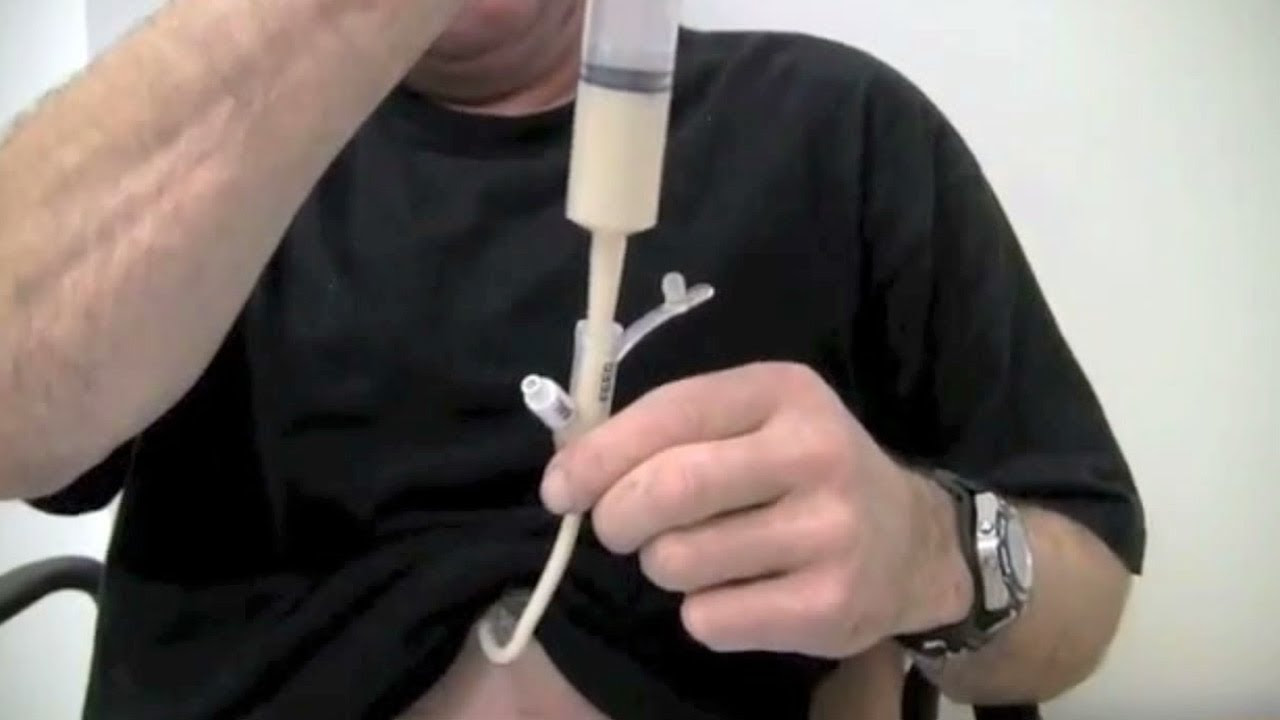
Percutaneous Endoscopic Gastrostomy (PEG) feeding refers particularly to delivering nutrients directly into the belly using a tube put using an endoscopic procedure. It's often selected when long-term dietary assistance is necessary.
Components of Successful Enteral Nutrition
Nutritional Solutions Used in Enteral Feeding
Different solutions exist based upon individual demands:
- Standard formulas: For those with typical digestion. Hydrolyzed formulas: For patients with damaged food digestion or absorption.
It's important to select a formula that matches each client's details metabolic requirements.
Administration Methods
Enteral feeds can be administered via a number of methods:
Bolus Feeding: Huge amounts provided at once. Continuous Infusion: Slow administration over 24 hours. Intermittent Feeding: Regular periods throughout daylight hours.Understanding these techniques allows doctor to tailor strategies according to individual person needs effectively.
Monitoring People Receiving Enteral Nutrition
Assessing Nutritional Requirements Regularly
Routine analyses assist ensure that each patient obtains appropriate nutrition customized to their progressing requirements.
Identifying Complications Early
Vigilant tracking enteral feeding support course can help stop possible complications connected with enteral feeding such as:
- Tube blockage Infection at insertion sites Gastrointestinal discomfort
Regular assessments promote prompt treatments that improve outcomes significantly.
Psychosocial Facets of Enteral Feeding
Addressing Patient Problems concerning PEG Tubes
Patients might experience anxiousness concerning their new nutritional routine or issues concerning their appearance because of noticeable tubes. Open up interaction can minimize concerns while advertising adherence to treatment protocols.
Family Education and learning and Support
Educating family members regarding enteral feeding boosts home treatment high quality when patients transition from medical facility settings back home.

Frequently Asked Questions (Frequently asked questions)
1. What prevail signs for utilizing enteral feeding?
Common indicators include neurological conditions influencing swallowing, cancer treatments causing anorexia nervosa, severe head traumas, or any type of condition where oral consumption isn't viable.
2. Just how does one recognize if a patient needs PEG feeding?
Healthcare professionals examine swallowing abilities together with dietary demands; if dental consumption fails constantly gradually, PEG could be indicated.
3. What sorts of solutions are made use of in enteral nutrition?
Formulas vary from typical blends ideal for the majority of clients to specialized hydrolyzed alternatives designed for those with distinct gastrointestinal requirements.
4. Are there threats related to enteral feeding?
Risks include infection at website insertion points, ambition pneumonia from misplacement, or difficulties coming from wrong formula management methods.
5. Exactly how frequently must nutritional assessments occur?
Regular analyses should occur once a week originally; adjustments might be made much more often if considerable adjustments arise in health and wellness status or weight changes occur quickly thereafter.
6. What training do healthcare specialists require for carrying out PEG feeds?
Training must incorporate composition understanding relating to tube placement & & management protocols together with evaluating psychological influence on clients receiving this type of nourishment therapy effectively.
Conclusion
In conclusion, understanding "The Role of Enteral Feeding in Client Recuperation" remains essential within health care techniques concentrated on supplying optimum nutritional care customized in the direction of specific patient situations-- specifically those involving complex conditions requiring alternate paths like PEG tubes efficiently taken care of by trained specialists across several setups including nursing functions & & supportive services alike!
By promoting expertise via structured courses such as ndis peg feeding training & & various other appropriate programs aimed at boosting caretaker proficiency degrees allow better end results eventually benefiting both patients' physical wellness while improving their total quality-of-life experiences substantially gradually!
Investing time right into mastering these elaborate information equips specialized specialists committed toward alternative strategies rooted strongly within evidence-based practices throughout all stages included-- thus guaranteeing no specific left behind no matter where they stand along their recuperation journey ahead!